

Blog
*
Blog *
Information we believe is important

What to Expect at Rooted & Rising Therapies for Speech and Occupational Therapy: A Different Kind of Therapy Experience
Wondering what makes Rooted Therapies different? Discover what to expect at our neurodiversity-affirming pediatric therapy clinic in Lewisville, Texas. From carefully matching your child with the right speech-language pathologist or occupational therapist to our child-led, play-based approach, open-door therapy model, parent involvement, and collaborative team, learn why families across North Texas choose Rooted Therapies for autism therapy, speech therapy, occupational therapy, and support for Gestalt Language Processors (GLPs), AAC users, and neurodivergent children.

The Neurodivergent Child's Back-to-School Guide
Help your autistic or neurodivergent child prepare for school with this neurodiversity-affirming guide from Rooted Therapies in Lewisville, TX. Learn strategies for self-advocacy, emotional regulation, sensory supports, communication, and successful school transitions.
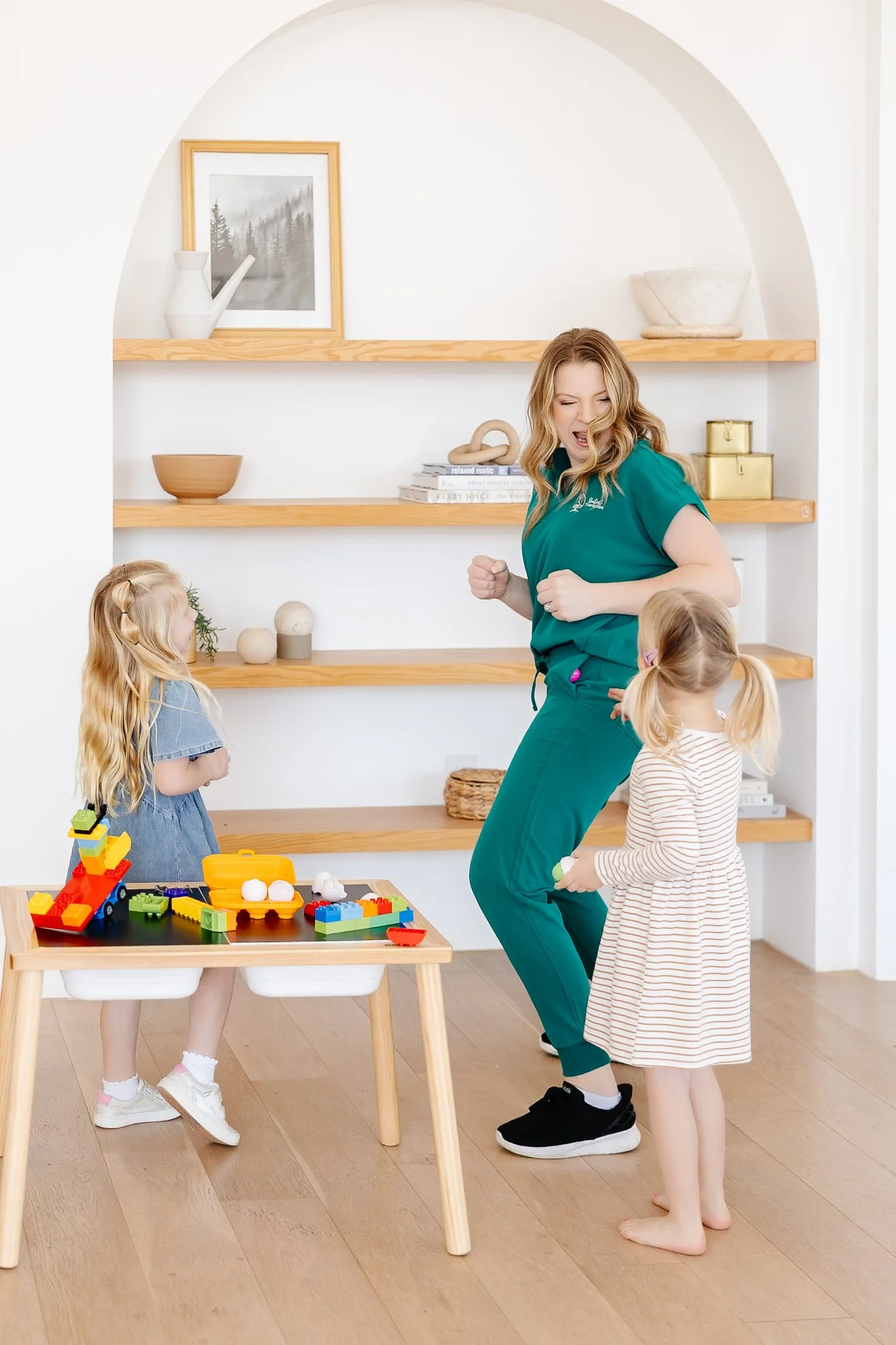
My Child Was Diagnosed with ADHD: 5 Things to Do Before Considering Medication
Looking for a pediatric therapy clinic that truly understands neurodivergent children? At Rooted Therapies in Lewisville, Texas, we provide neurodiversity-affirming occupational therapy, speech therapy, feeding therapy, and AAC support designed specifically for autistic children, ADHD, gestalt language processors (GLPs), and children with speech and language delays. Our child-led, play-based approach helps children build communication, emotional regulation, sensory processing, executive functioning, and daily living skills in ways that honor how they naturally learn and communicate. Discover practical strategies, expert insights, and resources to help your child thrive at home, school, and in everyday life.

Why an Occupational Therapist Trained in Gestalt Language Processing Can Make a Meaningful Difference for Your Autistic Child
Most occupational therapists are experts in movement, sensory processing, and daily living skills—but when your child is a Gestalt Language Processor (GLP), that's only part of the picture. An OT with a GLP-informed approach understands that communication, regulation, play, and learning are deeply connected. By understanding how your child's brain processes language, how they communicate, and how they make sense of the world around them, therapy becomes more than teaching skills—it becomes building genuine connection. Instead of working against your child's natural development, a GLP-informed OT uses play, meaningful language, and regulation to support growth in a way that feels safe, engaging, and empowering. When your child feels understood, they are able to communicate more, participate more, and develop the independence and confidence that carries into everyday life.
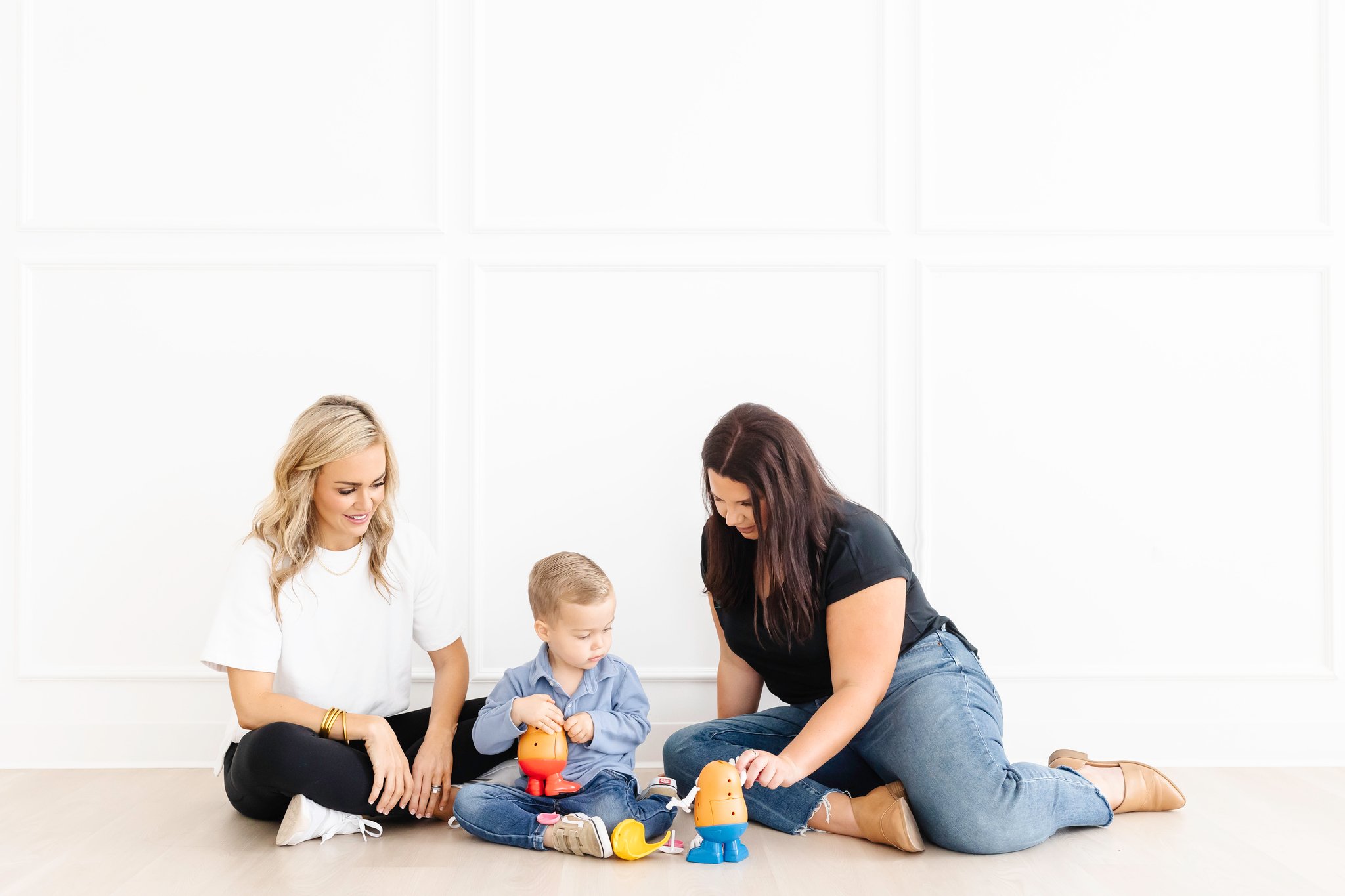
My Child Was Just Diagnosed with Autism. What Do I Do Next?
Receiving an autism diagnosis can feel overwhelming, but you don't have to navigate it alone. This parent guide from Rooted Therapies answers common questions about speech therapy, occupational therapy, AAC, Gestalt Language Processing, sensory processing, feeding therapy, and choosing neurodiversity-affirming supports after an autism diagnosis.

Occupational Therapy That Supports Real Life Participation
At Rooted & Rising Therapies in Lewisville, Texas, our occupational therapy services are child-led, play-based, and neurodiversity-affirming, helping children build confidence while honoring who they are.
In our latest blog, we explore how occupational therapy can support children who are sensory seeking, highly active, struggle with transitions, experience frequent meltdowns, have challenges with fine motor skills, or need extra support with daily routines.
Read the full blog to learn how occupational therapy can help your child develop the foundation for safety, connection, communication, and independence.

Your child has been diagnosed as autistic… things to do before ABA.
What should parents do after an autism diagnosis before starting ABA therapy?
After an autism diagnosis, parents should first focus on understanding their child’s unique neurodevelopmental profile rather than rushing into therapy. Autism is a neurodivergence, meaning children develop communication, sensory processing, motor, and social skills differently—not incorrectly. Before starting ABA, families should seek neurodiversity-affirming providers such as speech and occupational therapists, learn how their child communicates and regulates, and create supportive environments at home and school. Prioritizing connection, felt safety, and individualized support helps autistic children build communication, confidence, and independence in a way that honors who they are.
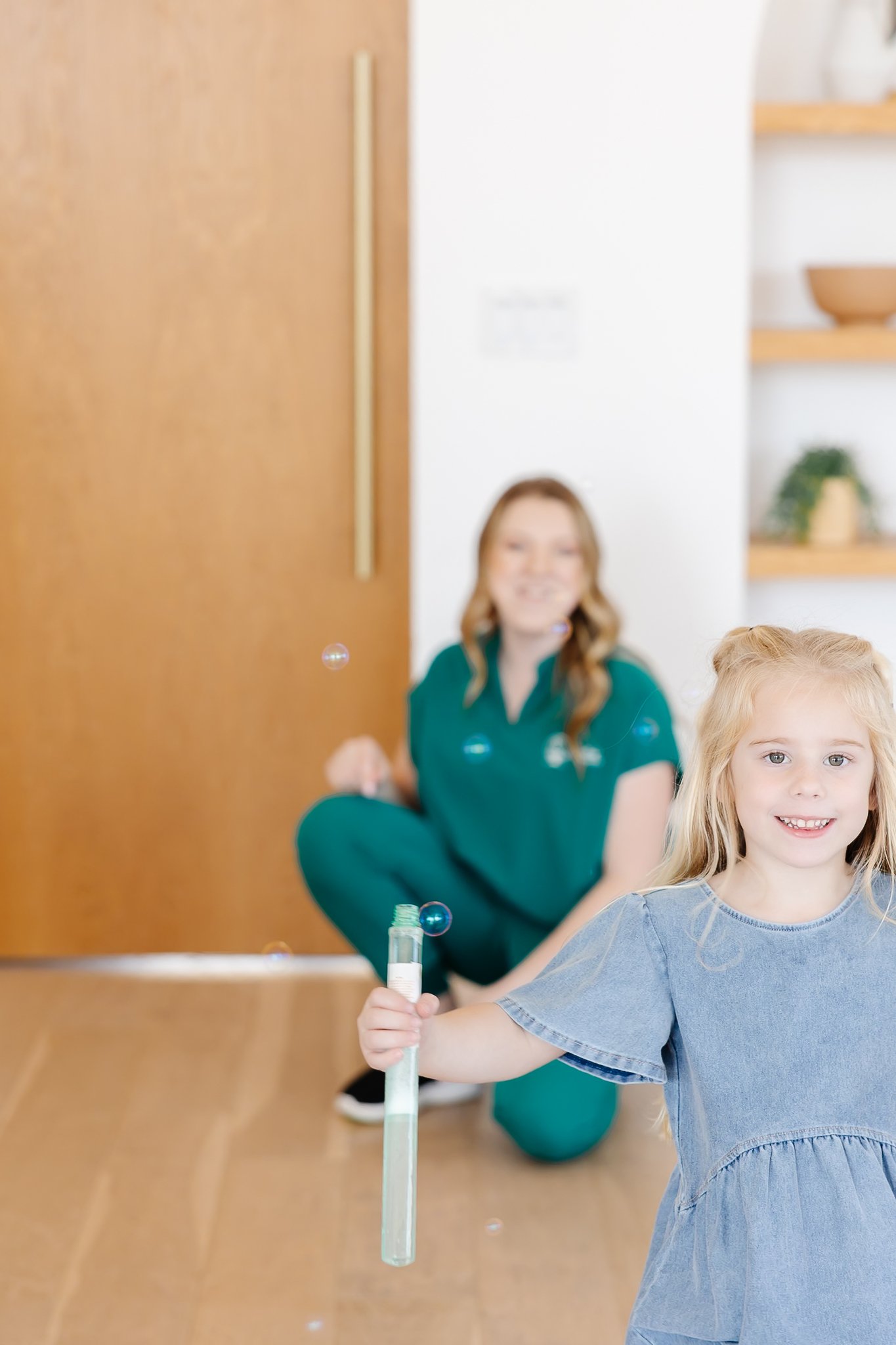
Autism in Girls: The Signs We Miss, Their Strengths, and What Support Really Looks Like
Low support needs autistic girls are a significant underserved, underidentified, and at-risk population. Autistic girls are misunderstood and often diagnosed with anxiety, labeling them as dramatic instead of understanding their brain and how they engage with the world.
autism in girls, signs of autism in girls, autistic girls masking, autism and social communication, neurodivergent girls, speech therapy for autistic girls, executive functioning support.

Grants to Support the Financial Investment of Private Pay Speech, Feeding, and Occupational Therapy
Learn why private pay speech, feeding, occupational therapy, and AAC services are an investment—and discover grants for autistic children in Texas and nationwide.

Rooted & Rising Therapies: our story to becoming a leading neurodiversity affirming pediatric therapy in Dallas/Fort Worth, Texas.
Rachel Terrell built Rooted & Rising Therapies out of her love for supporting autistic and adhd children and teenagers. Rooted Therapies provides a child-led, play-based, and neurodiversity affirming approach. We provide sensory informed and connection-based speech therapy, feeding therapy, and occupational therapy in Dallas/ Fort Worth, Texas

Understanding People-Pleasing and Rejection Sensitivity in Neurodivergent Brains.
Rejection sensitivity is common in autistic and ADHD children. Learn why it happens, how it affects emotions, and how parents can provide supportive care.

Understanding and Supporting Children with Pathological Demand Avoidance (PDA)
Acting out, refusing to follow directions, and preferred individualism is not defiance or bad behaviors. Neurodivergent brains can be wired for pathological demand avoidance. A nervous system response to perceived loss of autonomy sending them into fight/flight, desperate for a way out.

Creating Joyful, Sensory-Friendly Holidays for Neurodivergent Children
A parent's guide to reducing stress, supporting regulation, and honoring your autistic child’s needs during busy holiday seasons. Learn how to best accommodate your support needs, autism, adhd, or neurodivergent home during holiday and school breaks.

Stronger Together: The Power of Co-Treating with Occupational Therapy for Neurodivergent Children
At Rooted Therapies, our approach is rooted in play, relationships, and respect for neurodiversity. In co-treatment sessions, we collaborate closely with occupational therapists to ensure our goals align, our interventions complement one another, and - most importantly - each child feels seen, heard, and supported.

What Is AAC? A Neurodiversity-Affirming Guide to Augmentative and Alternative Communication
What Is AAC? Supporting Communication for Autistic and Neurodivergent Children. Learn what AAC is, who benefits, common myths, and how neurodiversity-affirming AAC supports autistic children, GLPs, and communication autonomy.

Neurodiversity-Affirming Social Communication vs. Compliance-Based Social Pragmatics
Neurodiversity-Affirming Social Communication Therapy for Autistic Children. Discover how neurodiversity-affirming social communication therapy supports self-advocacy, connection, and authenticity—without masking or compliance. Understand the differences between social pragmatics and neurodiversity-affirming social communication therapy for autistic and neurodivergent children.

Build Your Child’s Social Communication and Self-Advocacy with Social Groups at Rooted Therapies
Join Rooted Therapies’ neurodiversity-affirming social communication speech groups to build language, connection, and confidence in a supportive peer setting. Rooted Therapies provides private-pay social communication speech groups designed to support neurodivergent children in a language-rich, affirming environment. Now enrolling for Rooted Therapies’ social communication speech groups—build language, friendships, and confidence in a supportive peer community.


Signs Your Child May Be Autistic and How to Know If Speech Therapy Could Help
Speech therapy for autistic children should look DIFFERENT from traditional speech therapy because autistic develop language differently. Autistic children should receive child-led, play-based, sensory support, neurodivergent affirming practices, and language therapy that aligns with their brain development.

Feeding Therapy at Rooted & Rising: Frequently Asked Questions
Neurodiversity-affirming feeding therapy is not about forcing children to eat certain foods or making them “less picky.” Instead, it focuses on supporting a child’s relationship with food, honoring sensory preferences, and ensuring they have the nourishment they need to grow and thrive.